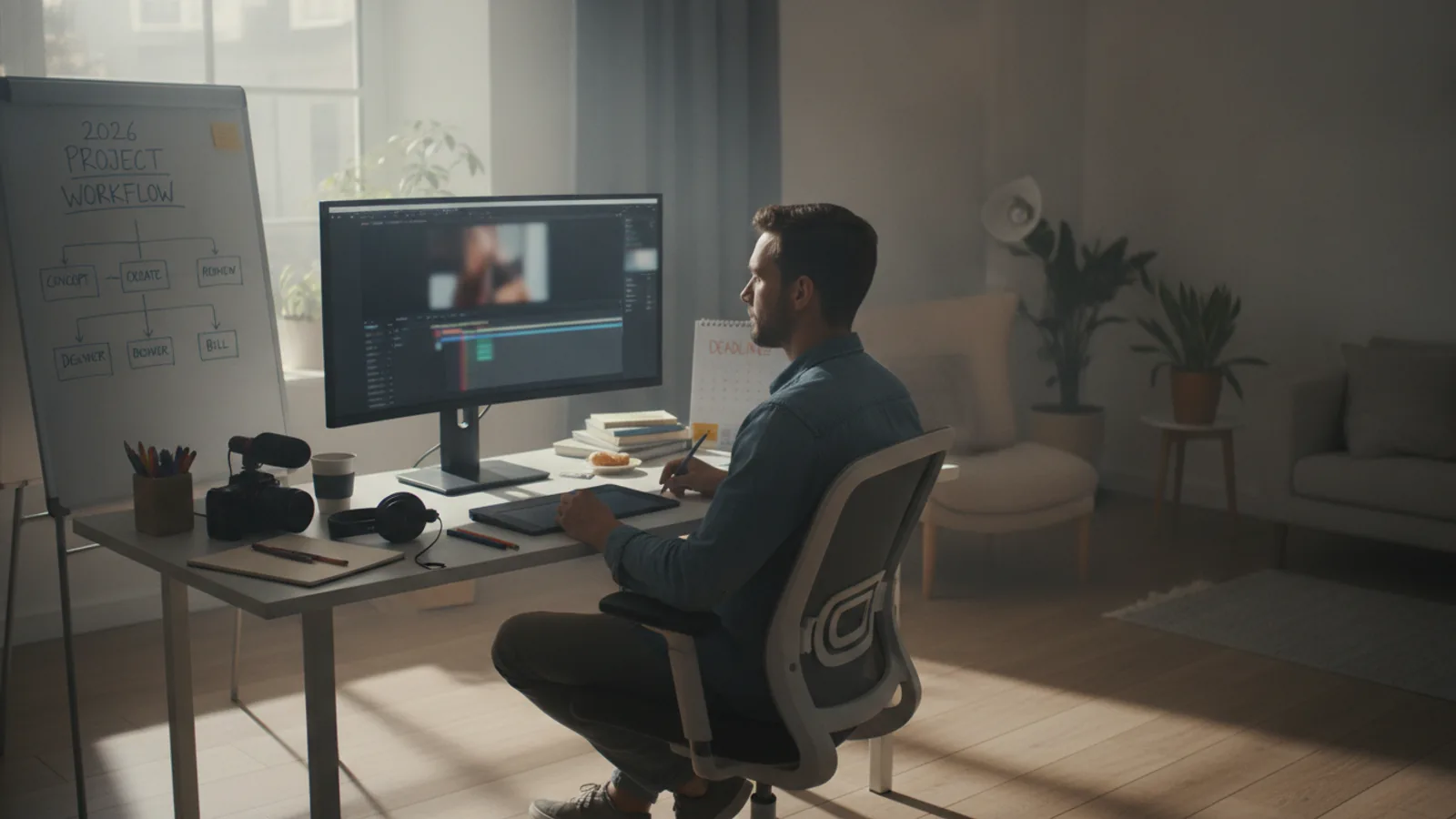
Creative Project Planning Guide
A practical step-by-step guide to creative project planning guide, including preparation, instructions, common issues, tips, and next steps.

Creative Project Planning Guide
This guide explains how to approach creative project planning guide, including the preparation, practical steps, common mistakes, and final checks that help you finish with confidence.
Before You Start
Step-by-Step Instructions
Quick Reference
Common Problems When You Creative Project Planning Guide
Even with the best intentions, planning a creative project can lead to some common challenges. Knowing what to watch for can help you overcome them.
- Over-planning: Spending too much time planning and not enough time actually creating. This often happens because planning feels safer than starting the real work.
- Perfectionism: Believing your plan needs to be flawless before you begin. No plan is perfect, and it will likely change as you work.
- Unrealistic Timelines: Setting deadlines that are too tight, leading to stress, burnout, and missed targets. Creative work often has unpredictable pacing.
- Ignoring Roadblocks: Not thinking about what could go wrong, which leaves you unprepared when difficulties inevitably arise.
- Lack of Flexibility: Sticking rigidly to a plan even when new, better ideas emerge or circumstances change. Plans are guides, not unbreakable rules.
- Losing Motivation: Starting with enthusiasm but then losing steam. This often happens when tasks become overwhelming or progress isn't visible.
Advanced Tips for Creative Project Planning
Once you're comfortable with the basics, these tips can help you refine your creative project planning and make your process even more effective.
- Use a "Parking Lot" for New Ideas: During your project, new creative ideas will pop up that might distract you from your current task. Keep a separate list or "parking lot" where you can quickly jot these down. This acknowledges the idea without derailing your current work, so you can revisit it later.
- Schedule Dedicated Creative Blocks: Instead of trying to squeeze creative work into small gaps, block out specific, uninterrupted time in your schedule just for your project. Treat these blocks like important appointments.
- Implement a Review Cycle: Regularly review your plan and your progress. This could be weekly or after each major milestone. Ask yourself: What's working? What's not? Do I need to adjust my goals, tasks, or timeline? This keeps your plan relevant.
- Seek Feedback Early: Don't wait until your project is "perfect" to get feedback. Share early drafts, sketches, or ideas with a trusted friend, mentor, or peer. Their fresh perspective can help you identify issues or opportunities you missed.
- Batch Similar Tasks: If you have multiple small tasks that involve the same type of work (e.g., researching images, sending emails, drawing small details), try to do them all at once. This reduces "context switching" and can make you more efficient.
- Practice Self-Compassion: Creative projects are rarely straightforward. There will be good days and bad days. Be kind to yourself when you face setbacks or creative blocks. Remember why you started and give yourself permission to rest and recharge.
Creative Project Planning Guide FAQ
Here are answers to some common questions about planning creative projects.
Q: How detailed should my plan be?
A: Your plan should be detailed enough to give you clarity and direction, but not so detailed that it becomes rigid or overwhelming. Aim for a balance. Start with major milestones and then break down the immediate next steps into specific tasks. You can add more detail as you progress.
Q: What if my creative vision changes halfway through the project?
A: It's common for creative visions to evolve. This is normal! Your plan is a living document. Review your new vision, assess how it impacts your existing milestones and tasks, and then adjust your plan accordingly. Don't be afraid to make changes; flexibility is key in creative work.
Q: How do I stay motivated when I hit a creative block?
A: When you hit a block, try stepping away from the project for a short break, engaging in a different creative activity, or revisiting your "why" (the initial motivation). Sometimes, working on a smaller, unrelated task or seeking inspiration from others can help get your ideas flowing again. Don't push too hard; sometimes rest is the best solution.
Q: Is it okay to work on multiple creative projects at once?
A: Some people thrive on multiple projects, while others find it distracting. If you do work on several projects, use your planning guide to clearly define separate tasks and dedicated time slots for each. This helps prevent burnout and ensures progress on all fronts. Be honest with yourself about your capacity.
Q: What's the best tool for planning creative projects?
A: The "best" tool is the one you'll actually use consistently. For some, it's a simple notebook and pen. For others, it's a digital tool like Trello, Asana, Notion, or even just a spreadsheet. Start with what's easiest and most accessible for you, and switch if it's not working. The method is more important than the tool.
Final Checklist for Creative Project Planning Guide
Use this checklist to ensure you've covered all the essential steps in planning your creative project.
- ✓ Your big idea is clearly defined.
- ✓ You've brainstormed initial ideas and concepts.
- ✓ The project is broken down into manageable milestones.
- ✓ Specific tasks are listed for each milestone.
- ✓ All necessary resources and tools have been identified.
- ✓ A realistic timeline and deadlines are set.
- ✓ Potential roadblocks and solutions have been considered.
- ✓ You have a simple, actionable plan ready.
- ✓ You've committed to taking the first small step.
- ✓ Your plan allows for flexibility and adjustments.