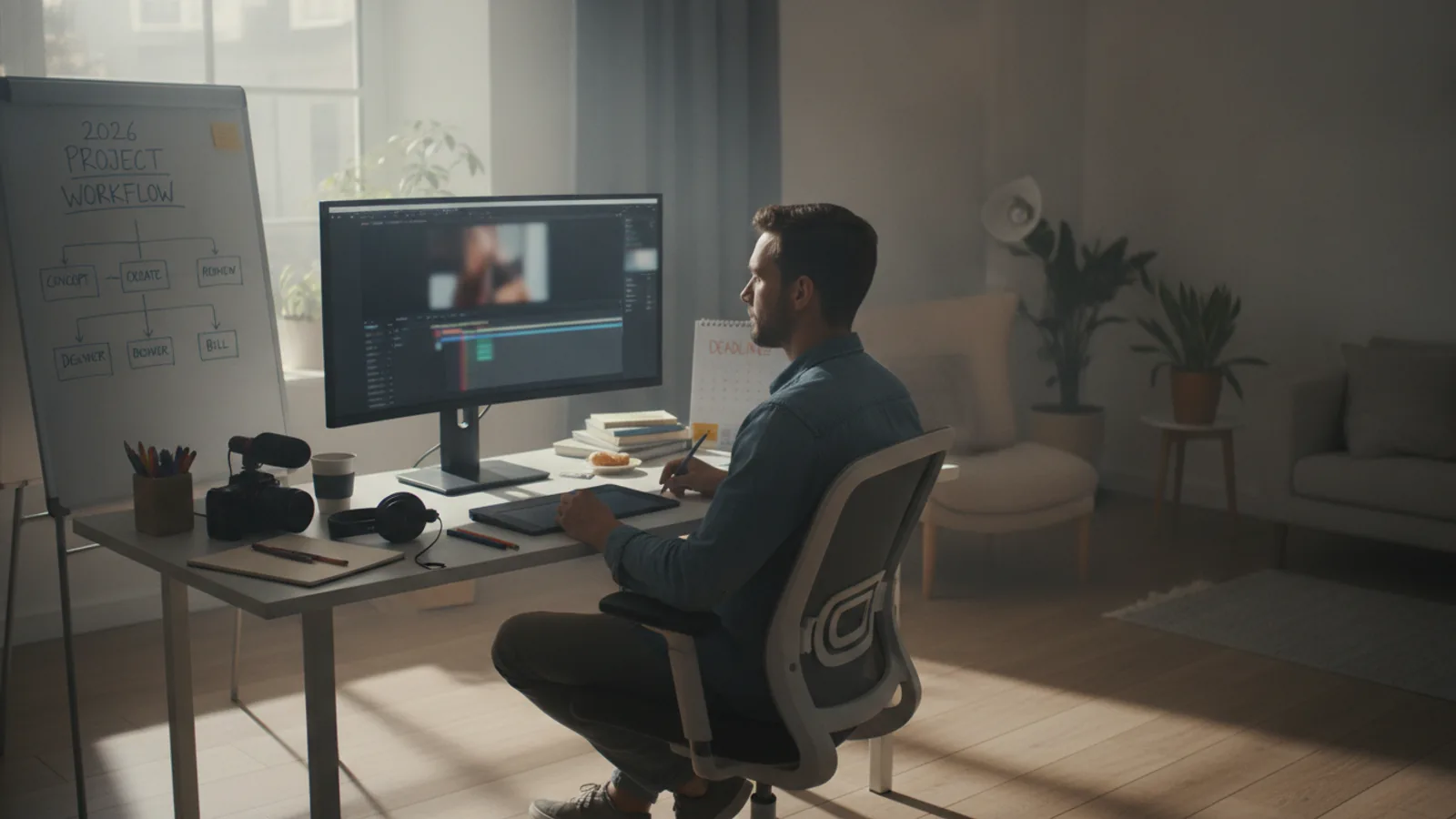
Creative Project Template Ideas
A practical step-by-step guide to creative project template ideas, including preparation, instructions, common issues, tips, and next steps.
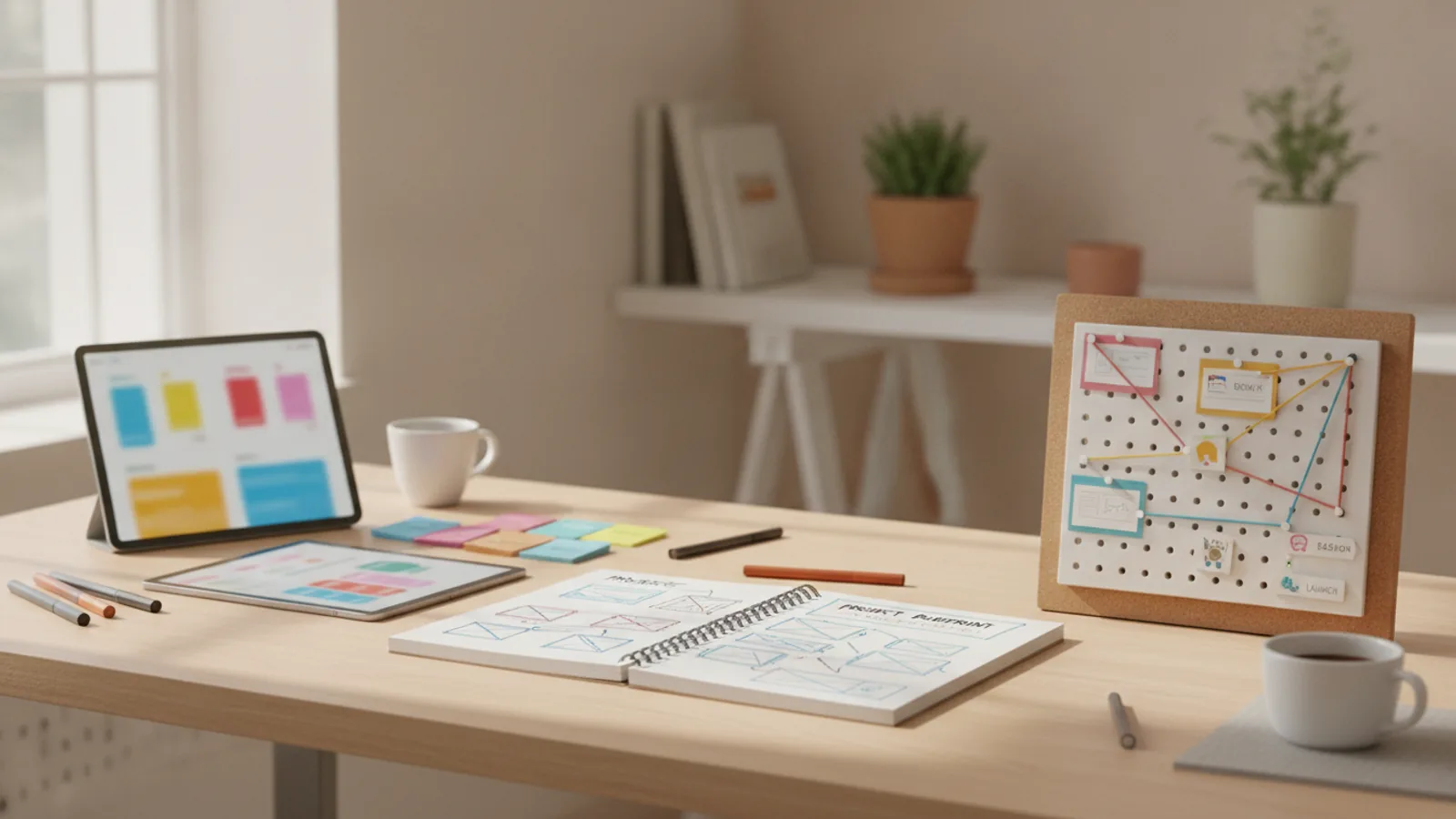
Creative Project Template Ideas
This guide explains how to approach creative project template ideas, including the preparation, practical steps, common mistakes, and final checks that help you finish with confidence.
Before You Start
Step-by-Step Instructions
Quick Reference
Common Problems When You Use Creative Project Template Ideas
Even with the best intentions, you might run into some common issues when trying to implement creative project template ideas. Understanding these problems and knowing how to fix them can save you a lot of frustration and keep your projects on track.
Over-Complication
Problem: Your template has too many fields, categories, or steps. It feels overwhelming to fill out, and you spend more time managing the template than working on your creative project. This often happens when you try to include every possible detail from the start.
Fix: Simplify. Start with the absolute essentials. If you haven't used a specific field or section in your template for a couple of weeks, consider removing it. Templates should be lean and functional. You can always add complexity later if a real need arises, but it's much easier to add than to subtract.
Rigidity
Problem: The template feels like a cage, not a helper. You feel pressured to stick to its structure even when your creative flow wants to go in a different direction. This can stifle spontaneity and make the creative process feel forced.
Fix: Embrace flexibility. Remember that a template is a guide, not a strict set of rules. Allow yourself to deviate from it when inspiration strikes. Add a "Notes" or "Explorations" section where you can capture ideas that don't fit perfectly into the existing structure. Your template should adapt to your creativity, not limit it.
Inconsistent Use
Problem: You create a great template but then forget to use it regularly or only update it sporadically. This leads to an outdated template that no longer reflects your project's true status, making it useless.
Fix: Integrate template use into your routine. Schedule dedicated, short blocks of time (e.g., 10-15 minutes at the start or end of your creative session) specifically for updating your template. Make it a habit. If you're using a digital tool, keep it easily accessible. If it's physical, keep your notebook or board where you can see it.
Wrong Tool Choice
Problem: You're trying to force a square peg into a round hole – for example, using a spreadsheet for highly visual brainstorming, or a complex project management app for a very simple, personal to-do list. The tool doesn't match the project or your personal workflow.
Fix: Re-evaluate your tools. If a tool feels clunky or difficult, there's likely a better option. For visual tasks, consider apps designed for mood boards or sketching. For simple lists, a basic document or even pen and paper might be more efficient than a database. Don't be afraid to switch tools if your current one isn't serving you well.
Advanced Tips for Creative Project Template Ideas
Once you're comfortable with the basics of using creative project template ideas, you can explore more advanced strategies to further enhance your workflow and keep your projects organized and moving forward.
Combine and Link Templates
Instead of one massive template, consider creating a primary "master" template for your overall project and then linking to smaller, more specific templates. For example, a main novel template could link to separate character sheets, world-building documents, or chapter outlines. This keeps individual templates focused and easier to navigate while maintaining an overarching structure.
Automate Where Possible
If you're using digital tools like spreadsheets or specific project management software, look for opportunities to automate parts of your template. For instance, in a spreadsheet, you can use basic formulas to automatically calculate the percentage of tasks completed, track word count progression, or highlight overdue items. This saves time and gives you instant insights into your project's status.
Share and Collaborate Effectively
For creative projects involving teams or collaborations, shared templates are invaluable. Platforms like Google Docs, Notion, or Trello allow multiple people to access and update templates in real-time. Clearly define who is responsible for updating which sections and establish guidelines for comments and feedback to keep everyone aligned and prevent confusion.
Review and Archive Successful Templates
After a project is complete, take some time to review the template you used. What aspects worked exceptionally well? What parts were less effective? Document these lessons learned. Then, archive your successful templates. Having a library of proven creative project template ideas that worked for past projects means you don't have to start from scratch for similar future endeavors, saving you significant setup time.
Hybrid Digital and Analog Approach
Many creatives find success by combining the best of both digital and analog worlds. Use a digital template for the overall structure, detailed tracking, and easy editing. Then, use an analog notebook or sketchbook for spontaneous brainstorming, quick sketches, free-writing, or capturing ideas when you want to be completely screen-free. This hybrid approach leverages the strengths of each method.
Creative Project Template Ideas FAQ
Q: What's the best tool for creative project templates?
A: There isn't one "best" tool; it truly depends on your specific project type, your personal preference (digital versus physical), and your comfort level with technology. For writers, a simple document editor or a dedicated writing app might be best. For visual artists, a tool that supports images and mood boards could be ideal. Project management apps like Notion or Trello are versatile for many different project types. For those who prefer a tactile experience, a notebook and pen are often unbeatable.
Q: Can I use a template for very early-stage brainstorming?
A: Absolutely! Templates for brainstorming can be incredibly effective and freeing. Rather than rigid structures, think of templates like mind maps, simple bullet lists, or even guided free-writing prompts. These provide just enough structure to get your initial thoughts flowing without making you feel constrained. The goal is to capture all ideas, no matter how wild or unformed, to prevent them from being lost.
Q: How often should I update or change my templates?
A: It's good practice to review and potentially update your templates after each major creative project, or at least every few months if you're working on ongoing endeavors. Your creative process evolves, and your templates should evolve with it. If you find that a section is consistently unused, or if you repeatedly need to add the same new section, that's a sign it's time to refine your template to better suit your current needs.
Q: Are templates only for big projects, or can I use them for small creative tasks too?
A: Templates are useful for projects of all sizes! Even a simple checklist for a daily creative exercise, a quick planning sheet for a social media post, or a consistent structure for your journal entries can be considered a template. They help reduce mental load, maintain consistency, and ensure you don't miss important steps, regardless of the scale of the creative task.
Q: How do I avoid feeling overwhelmed by choosing or creating templates?
A: The key is to start small and simple. Don't try to create the perfect, all-encompassing template from day one. Pick one specific problem you want to solve (e.g., "I keep forgetting character details" or "My tasks are disorganized") and create a very basic template to address just that. As you use it, you'll naturally discover what else might be helpful. Build your template system piece by piece, and remember that flexibility is more important than perfection.
Final Checklist for Creative Project Template Ideas
Use this checklist to ensure you've covered the essential steps in setting up and effectively using creative project template ideas for your work.
- Have you clearly defined the specific needs of your creative project?
- Did you explore different template categories (brainstorming, outlining, tracking, visual) that might be useful?
- Is your chosen tool (digital or physical) suitable for your project type and personal workflow?
- Did you create at least one basic outline template to provide initial structure?
- Is there a system or template in place to track your tasks and progress?
- Have you created an idea bank or content storage template for raw thoughts and research?
- Have you personalized the template to align with your unique creative process and preferences?
- Are you committed to testing the template and iterating on it based on your experience?
- Does the template feel like it's helping, rather than hindering, your creativity?
- Do you have a plan for regularly using and updating your templates?