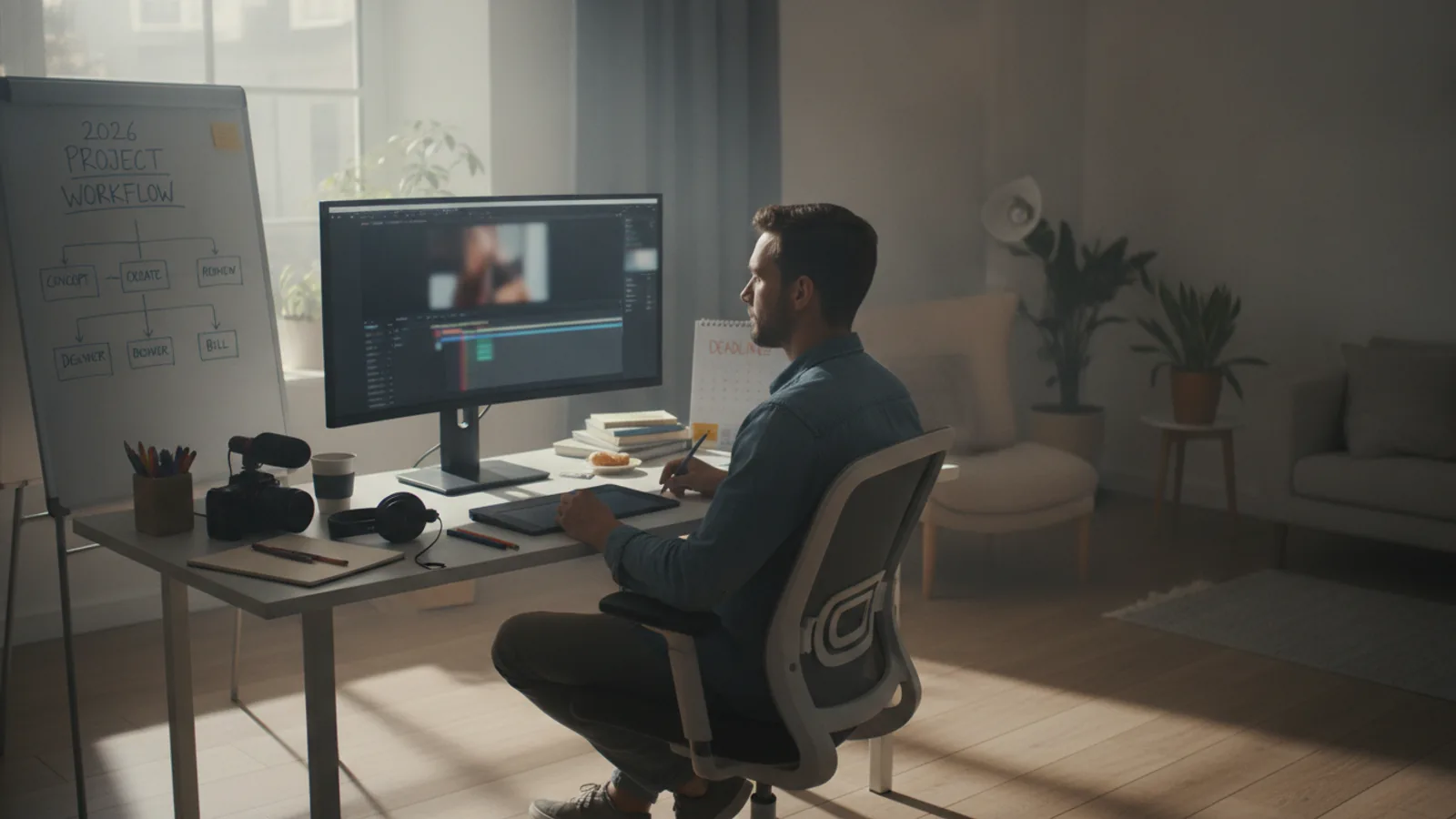
Freelance Creative Work Planning Guide
A practical step-by-step guide to freelance creative work planning guide, including preparation, instructions, common issues, tips, and next steps.

Freelance Creative Work Planning Guide
This guide explains how to approach freelance creative work planning guide, including the preparation, practical steps, common mistakes, and final checks that help you finish with confidence.
Before You Start
Step-by-Step Instructions
Quick Reference
Common Problems When You Freelance Creative Work Planning Guide
Even with a good plan, freelancers often encounter specific challenges. Knowing these common problems and their solutions can help you stay on track and maintain your momentum.
Overbooking Yourself
Problem: You say "yes" to too many projects, leading to stress, missed deadlines, and poor quality work. This often happens because freelancers fear turning down work or overestimate their available time.
Solution: Regularly review your current workload using your calendar and project workflow. Be realistic about how much time each project truly requires. If a new opportunity comes up and your schedule is full, practice saying "no" politely or suggesting a later start date. Consider raising your rates if you consistently have too much work; this helps manage demand.
Not Enough Clients or Consistent Work
Problem: You experience "feast or famine" cycles, with periods of intense work followed by long lulls. This can be financially stressful and demotivating.
Solution: Dedicate consistent time to marketing and business development, even when busy. Focus on building long-term relationships and seeking retainer clients who provide recurring income. Ask for referrals from happy clients. Diversify your client base so you're not reliant on just one or two major projects.
Clients Not Paying on Time or "Scope Creep"
Problem: Clients delay payments, or they keep asking for extra work beyond what was agreed upon in the initial contract without additional pay.
Solution: Implement clear contracts that outline payment terms, project scope, and a process for handling revisions and additional work. Always require a deposit (e.g., 50%) upfront before starting any work. For scope creep, politely refer back to the contract and offer to quote the additional work separately. Be firm but professional.
Burnout and Poor Work-Life Balance
Problem: The lines between work and personal life blur, leading to exhaustion, lack of motivation, and reduced creativity. Freelancers often feel pressure to always be "on."
Solution: Strictly adhere to your time blocks, especially those designated for breaks, meals, and non-work activities. Set clear working hours and communicate them to clients. Schedule regular time off, just as you would in a traditional job. Designate a specific workspace and "leave" it at the end of your workday to create a mental boundary.
Disorganization and Lost Files
Problem: Project files, client communications, or invoices are scattered across different folders, drives, or email threads, causing wasted time and frustration.
Solution: Establish a consistent file naming convention and folder structure for all your projects and administrative documents. Use cloud storage services (like Google Drive or Dropbox) for easy access and automatic backups. Implement a single project management tool to centralize all project-related information and communications.
Advanced Tips for Freelance Creative Work Planning Guide
Once you have the basics down, these advanced strategies can help you optimize your planning and elevate your freelance business.
Automate Routine Tasks
Look for opportunities to automate repetitive administrative tasks. This could include using scheduling tools for social media posts, email auto-responders for initial client inquiries, invoicing software with recurring options, or template-based proposal generators. Freeing up time from these tasks allows you to focus more on creative work and client service.
Outsource Non-Core Activities
Consider delegating tasks that are essential for your business but are not part of your core creative service, or tasks you dislike. This might include bookkeeping, social media management, website updates, or even certain aspects of research. Hiring a virtual assistant or specialist can be a smart investment that frees up your valuable time and energy for what you do best.
Invest in Continuous Learning and Skill Development
The creative industry is constantly evolving. Plan time and budget for learning new tools, techniques, or software. This keeps your skills sharp, allows you to offer more services, and keeps your portfolio fresh. This investment in yourself directly translates into higher value for clients and better earning potential.
Build a Strong Professional Network
Actively network with other freelancers, agencies, and potential collaborators. This can lead to valuable referrals, collaborative opportunities, and a support system for advice and problem-solving. Attend industry events, join online communities, and schedule virtual coffee chats. A strong network can be a significant source of future projects.
Create a "Buffer Day" Each Week
Beyond specific time blocks, try to schedule one "buffer day" each week, or at least a large block of buffer time. Use this time for administrative catch-up, unexpected client requests, learning, or even just creative exploration without the pressure of client deadlines. This helps prevent unforeseen tasks from derailing your carefully planned week.
Analyze Your Profitability by Project and Client
Go beyond simply tracking income and expenses. Dive deeper into which projects and clients are truly the most profitable for you. Calculate your effective hourly rate for each project, factoring in all the time spent (not just billable hours). This insight helps you identify your ideal projects and clients, allowing you to prioritize work that offers the best return on your time and effort.
Freelance Creative Work Planning Guide FAQ
Final Checklist for Freelance Creative Work Planning Guide
Before you dive into your next project, use this checklist to ensure your planning is on point.
By consistently applying these planning principles, you'll create a more organized, less stressful, and ultimately more successful freelance creative business.
FAQ
What should I check before I start?
Check the goal, the key prerequisite, and any current instructions that could change the safest next step for freelance creative work planning guide.
How can I tell whether the result is working?
Use the practical checks in the guide, pause if a required step is unclear, and verify the finished result against the intended outcome.